7 Elegant Texture Designs to Make Neutral Rooms More Interesting
- Updated September 2, 2026
Neutral interiors have become one of the defining trends in modern home design.
Soft beige, warm white, greige, taupe, ivory, and earthy tones create calm, timeless spaces that never feel overwhelming. They make rooms appear brighter, more spacious, and effortlessly elegant.
Yet there is one challenge many homeowners face.
A neutral room can quickly begin to feel plain if every surface looks the same.
The solution is not introducing bold colours. The real secret lies in texture.
Texture adds personality without disrupting the peaceful colour palette. It creates contrast without making a room feel busy. More importantly, it brings warmth and depth that transform a simple interior into a luxurious living space.
The most beautiful neutral homes rarely depend on colour alone. Instead, they combine carefully selected materials, finishes, fabrics, and architectural details that create visual richness from every angle.
Here are seven elegant texture ideas from an interior designer in Rajkot that can completely transform a neutral home.
Why Texture Is the Heart of Neutral Interior Design
When colour is intentionally understated, every material becomes more noticeable.
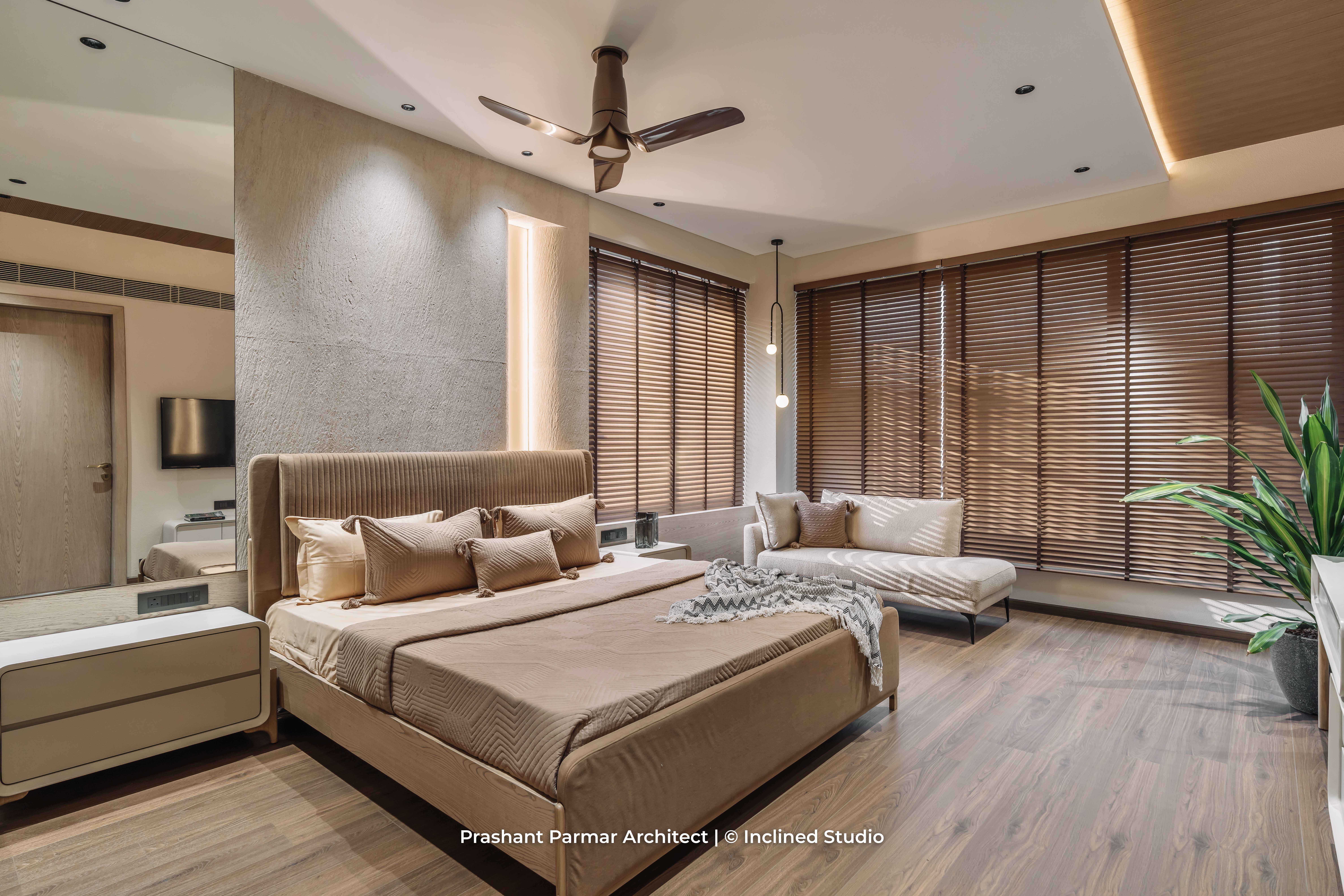
The grain of natural wood.
The softness of linen.
The roughness of stone.
The shine of brushed metal.
These subtle contrasts create movement throughout a room while maintaining a sophisticated and cohesive appearance.
Good texture design appeals not only to the eye but also to the senses, making every space feel warmer, richer, and more inviting.
1. Natural Wood Adds Warmth and Timeless Character
Wood remains one of the most versatile materials in interior design.
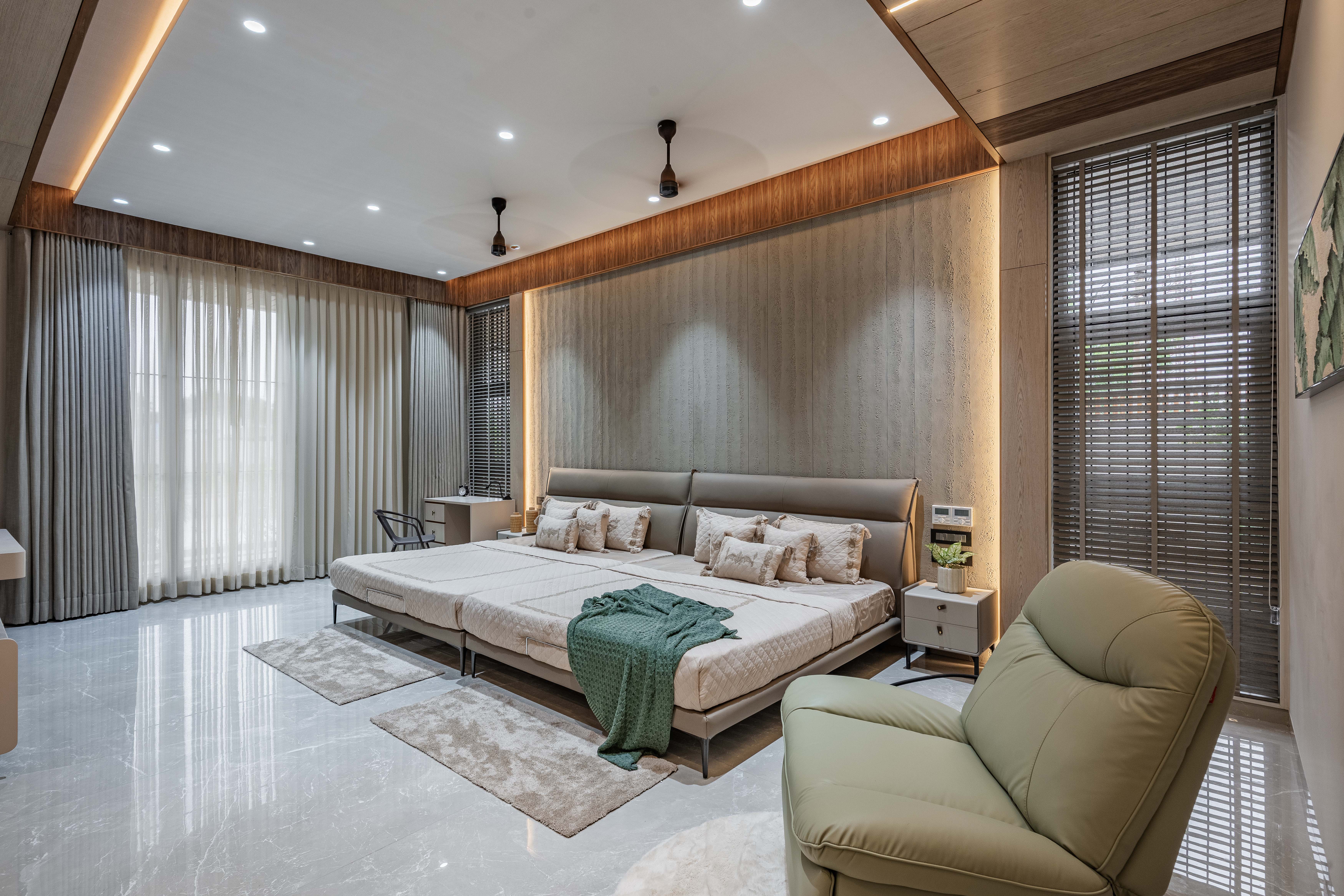
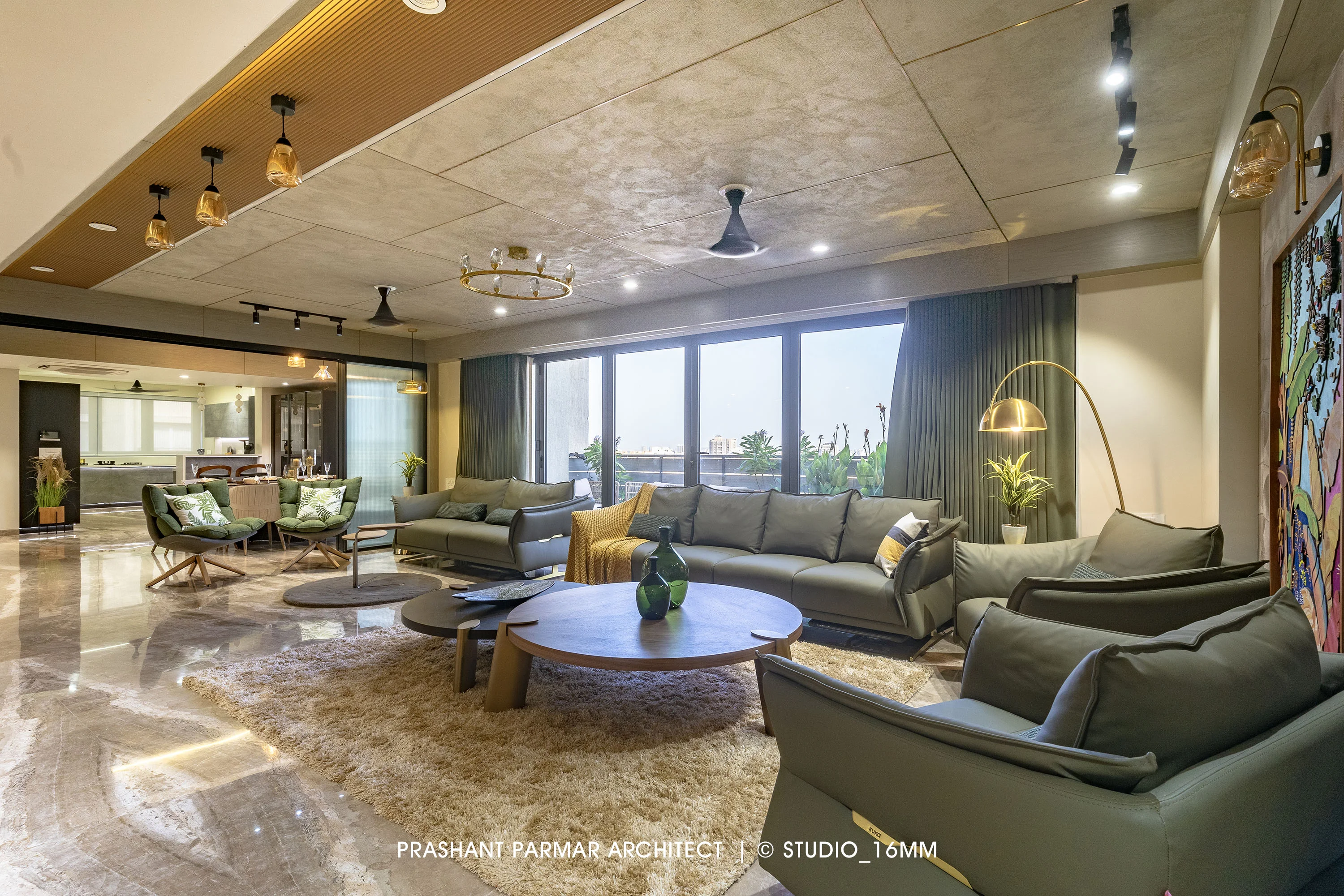
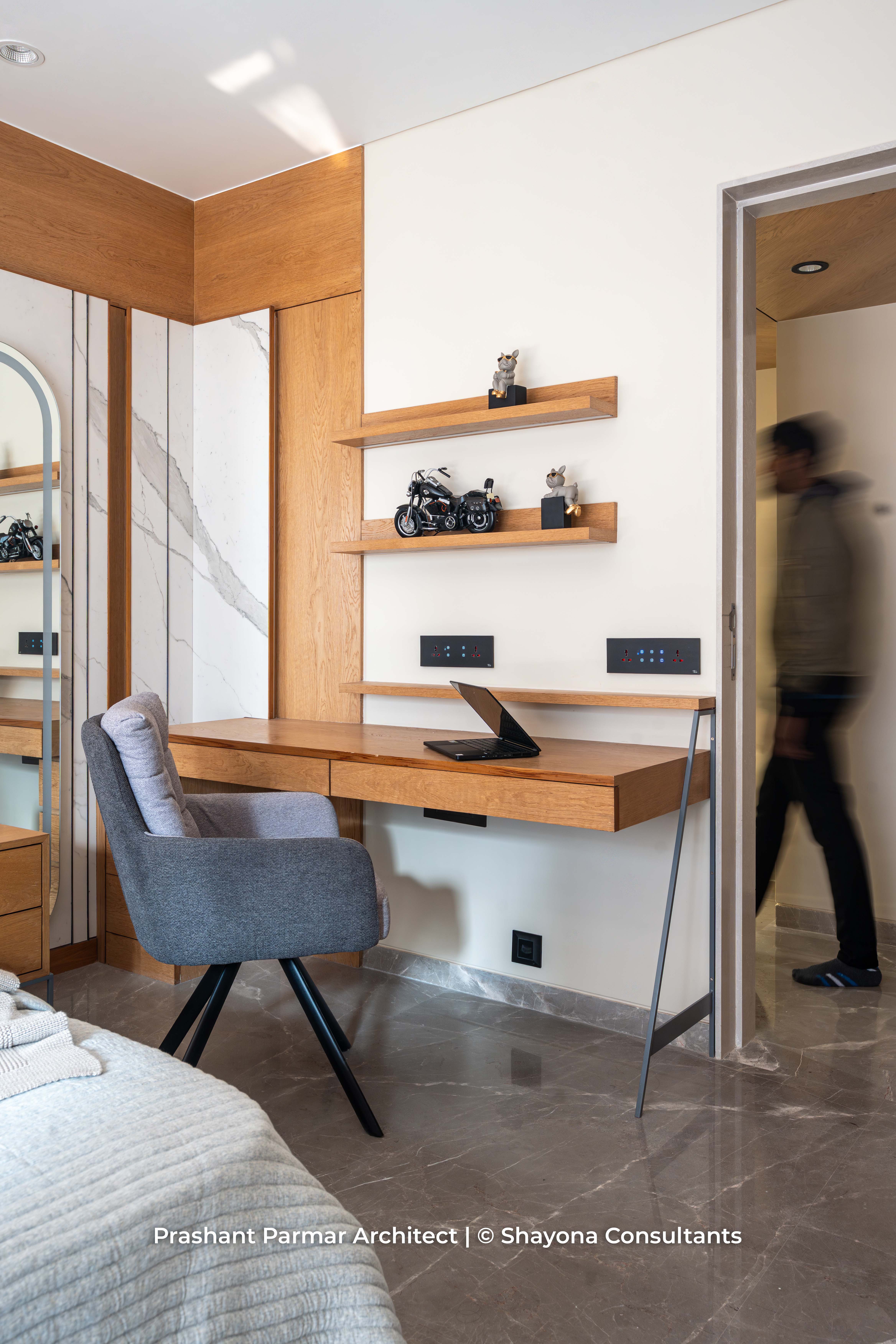
Whether used for flooring, wall panelling, furniture, ceiling beams, or cabinetry, natural wood introduces warmth that beautifully balances neutral colour palettes.
Oak, walnut, teak, and ash all bring unique grain patterns that add subtle visual interest without overpowering the room.
The beauty of wood is that it becomes even more attractive as it ages, making it a timeless investment for any home.
2. Textured Stone Creates Quiet Luxury
Natural stone instantly elevates a neutral interior.
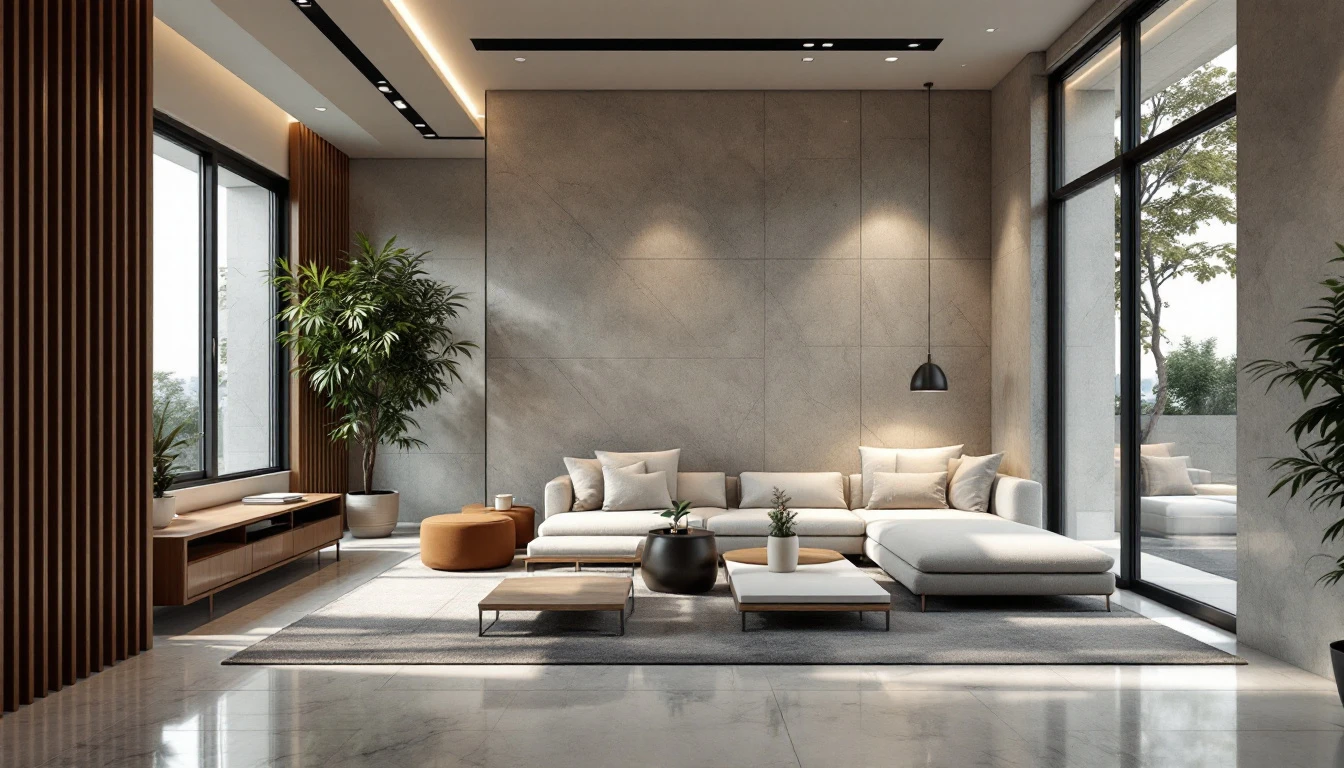
Materials such as travertine, marble, sandstone, and textured limestone introduce organic variation that cannot be replicated by artificial finishes.
Stone works beautifully on:
- Feature walls
- Fireplace surrounds
- Kitchen islands
- Bathroom vanities
- Flooring
- Decorative accents
Its natural imperfections add authenticity while reinforcing the timeless character of the space.
3. Layer Soft Fabrics for Comfort and Depth
A neutral room becomes significantly more inviting when multiple fabric textures are layered together.
Instead of relying on one material, combine:
- Linen curtains
- Bouclé chairs
- Cotton upholstery
- Wool throws
- Velvet cushions
- Textured rugs
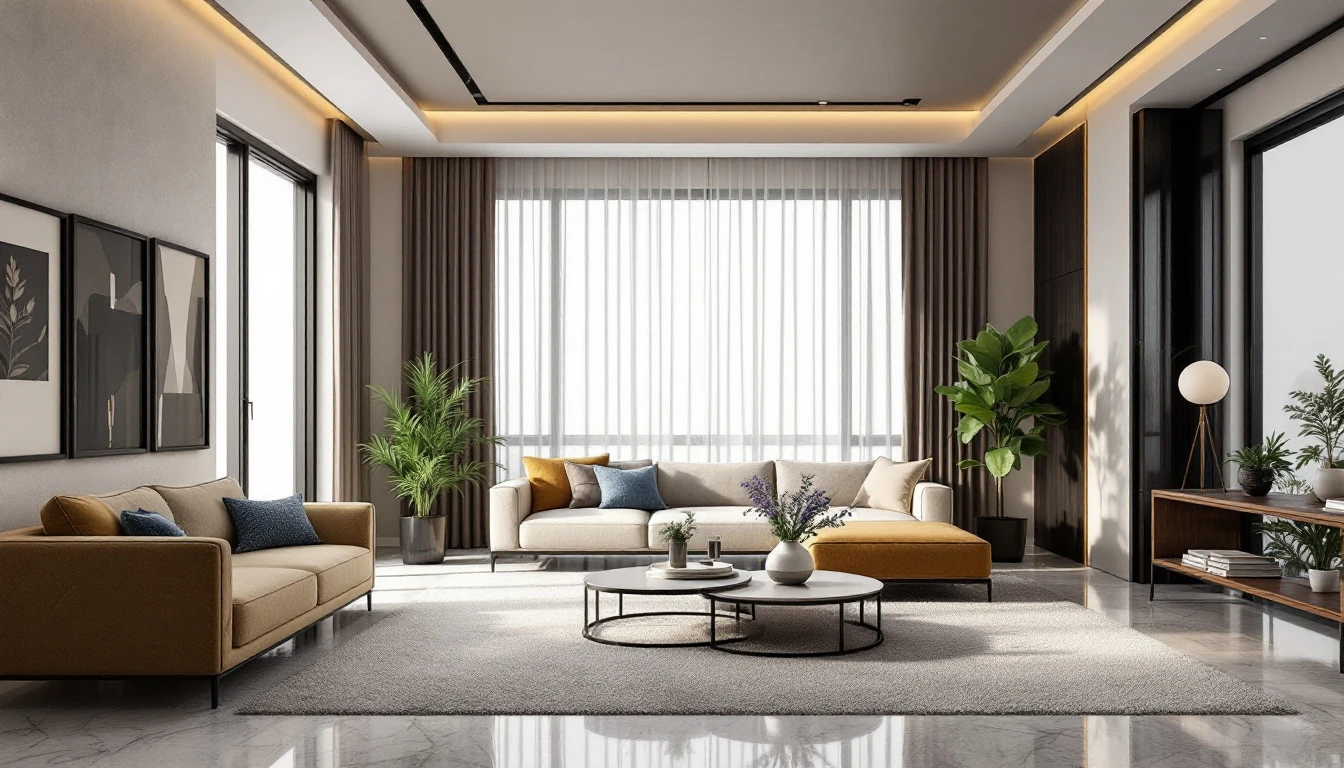
Although the colours remain similar, each material reflects light differently, creating beautiful depth throughout the room.
The result feels luxurious without appearing excessive.
4. Add Architectural Wall Textures
Walls no longer need to be perfectly flat.
Modern interiors increasingly feature architectural wall treatments that add sophistication through texture rather than colour.
Popular options include:
- Fluted wall panels
- Wooden slats
- Limewash finishes
- Microcement walls
- Textured plaster
- Decorative mouldings
These subtle details create elegant focal points while maintaining a calm overall aesthetic.
5. Mix Matte and Gloss Finishes
Texture is not only about materials.
Surface finishes also play an important role.
A beautiful neutral room often combines:
- Matte walls
- Satin wood finishes
- Gloss stone surfaces
- Brushed metal accents
- Textured ceramics
- Soft fabric upholstery
The interaction between these finishes creates visual balance and prevents the room from feeling flat.
6. Bring Nature Indoors
Natural textures bring life into neutral interiors.
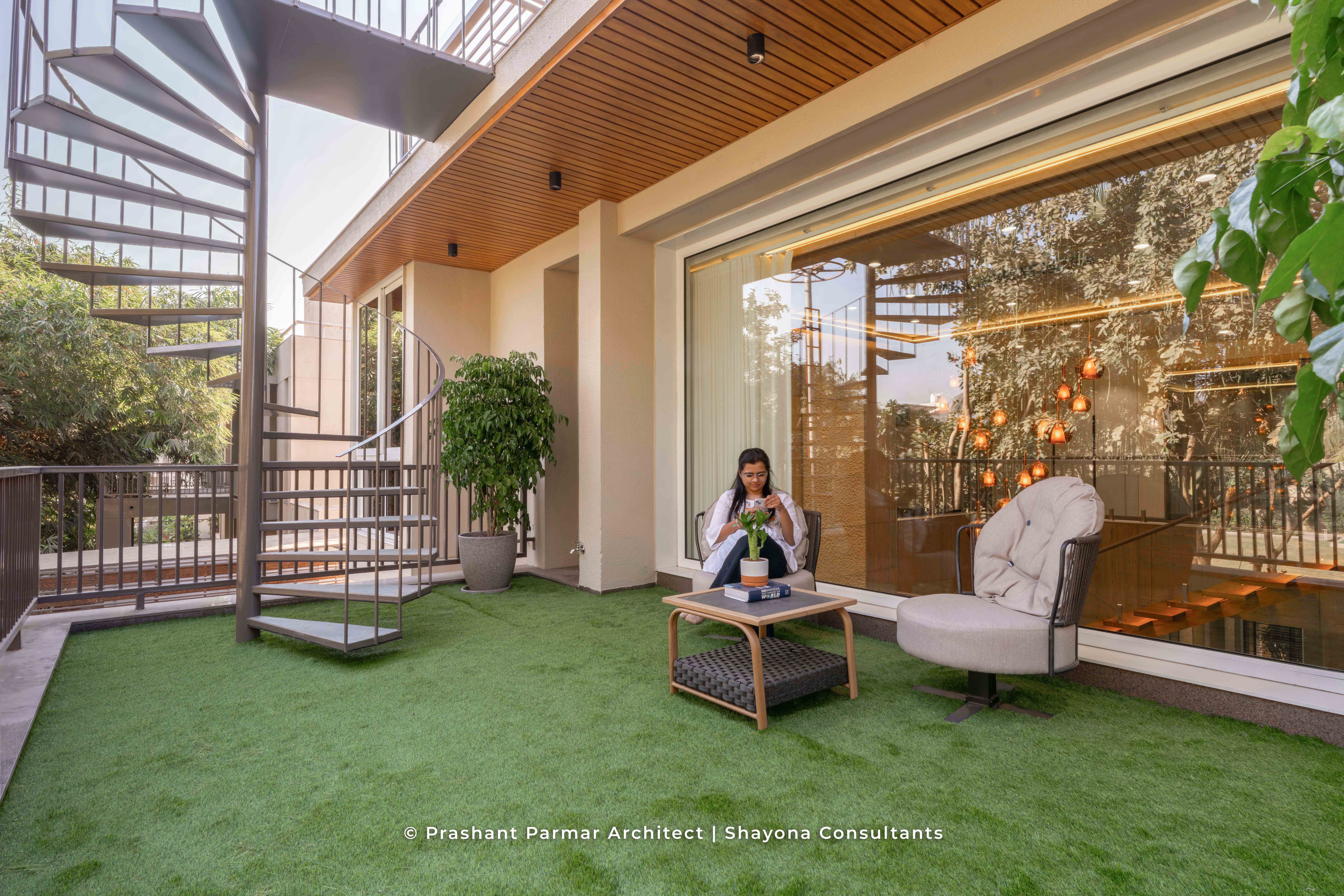
Indoor plants, woven baskets, handcrafted pottery, natural fibre rugs, and organic decorative pieces introduce softness and movement.
These elements also strengthen the connection between indoor spaces and nature, creating environments that feel peaceful and welcoming.
Even a few carefully selected natural accessories can make a significant difference.
7. Layer Lighting to Highlight Texture
Many homeowners focus only on furniture and finishes while overlooking lighting.
Yet lighting is what truly reveals texture.
Warm lighting creates gentle shadows that highlight:
- Stone surfaces
- Wood grain
- Fabric details
- Wall textures
- Architectural features
Pendant lights, wall sconces, floor lamps, and concealed LED lighting all contribute to creating depth and atmosphere throughout the home.
Without thoughtful lighting, even the most beautiful textures can go unnoticed.
The Secret Is Balance, Not Quantity
One of the biggest misconceptions about textured interiors is that more is always better.
In reality, elegance comes from restraint.
Choose a few complementary materials and repeat them thoughtfully throughout the home.
For example, natural wood, linen, stone, and brushed brass can work together beautifully without making the space feel crowded.
Consistency creates harmony, while excessive mixing often creates visual clutter.
Why Professional Interior Design Makes a Difference
Creating texture is about much more than selecting attractive materials.
Every finish must work with the room’s lighting, proportions, furniture, and architectural style.
An experienced designer understands how to layer materials in a way that feels intentional rather than overwhelming.
Professional planning also ensures that textures complement one another while maintaining a timeless and cohesive design throughout the home.
Bring Your Neutral Space to Life
Neutral interiors are anything but ordinary when designed with the right textures.
Natural wood, textured stone, layered fabrics, architectural wall finishes, organic materials, and carefully planned lighting all work together to add warmth, depth, and character without relying on bold colours.
The beauty of texture lies in its ability to create elegant spaces that feel inviting, balanced, and timeless.
At Shayona Consultant, Prashant Parmar believes exceptional interior design is about creating homes that engage every sense. We carefully combine materials, finishes, and textures to craft interiors that are visually refined and comfortable to live in every day.
Our approach focuses on creating interiors that feel warm, elegant, and deeply personal. From selecting premium finishes and handcrafted materials to designing custom furniture and architectural features, every element is carefully curated to reflect your lifestyle while maintaining timeless appeal.
If you’re ready to elevate your neutral home with thoughtful design and timeless sophistication, connect with our interior designer in Rajkot and discover how the right textures can completely transform your living spaces.
Because true luxury isn’t always defined by colour, it’s often found in the details you can see, feel, and experience.
FAQs
1. Why is texture important in neutral interior design?
Texture adds depth, warmth, and visual interest to neutral spaces without introducing bold colours. It helps create elegant interiors that feel balanced, inviting, and full of character.
2. Which materials work best for creating texture in neutral rooms?
Natural wood, stone, linen, bouclé, wool, marble, textured plaster, fluted panels, woven fibres, and brushed metals are among the most popular materials for adding texture to neutral interiors.
3. How can I make a neutral living room look more luxurious?
Layer different textures through furniture, rugs, curtains, wall treatments, natural materials, and lighting. Combining these elements creates a sophisticated look while maintaining a calm and cohesive colour palette.
4. Can textured walls replace colourful feature walls?
Yes. Textured walls such as limewash finishes, fluted panels, wooden slats, or decorative plaster create visual impact while preserving the timeless elegance of a neutral interior.
5. Does lighting affect how interior textures look?
Absolutely. Warm, layered lighting enhances wood grains, stone surfaces, fabrics, and architectural details by creating soft shadows and highlighting the natural beauty of each material.
6. Why should I hire an interior designer in Rajkot for designing neutral interiors?
An experienced interior designer in Rajkot can thoughtfully combine colours, textures, lighting, furniture, and materials to create cohesive interiors that feel luxurious, functional, and timeless while reflecting your personal style.