Interior Designers Reveal the Biggest Home Design Mistakes They See Today
- Updated September 2, 2026
Top interior designers in Ahmedabad consistently identify seven core errors that are easy to avoid with the right knowledge and planning.
Walk through enough homes and a pattern emerges. Stunning renovations undermined by a single lighting fixture. Gorgeous furniture that makes a room feel smaller.
Expensive paint jobs that clash with the flooring. These aren’t rare exceptions; they’re the rule. And according to experienced interior designers, they’re almost always preventable.
Home design mistakes don’t just affect aesthetics. They affect how a space feels to live in, how efficiently it functions, and ultimately, what it’s worth on the market. Buyers and appraisers notice. So do the people who live there every day.
This post draws on professional designer insights to break down the seven biggest mistakes homeowners make, and exactly how to fix them.
Whether you’re redesigning a single room or planning a full renovation, these are the pitfalls worth knowing before you spend a single penny.
Most Costly Lighting Mistakes in Home Design
Lighting is the most underestimated element in residential design. Homeowners frequently treat it as an afterthought, something to address after the furniture is in and the walls are painted. That approach almost always creates problems.
The two most common lighting errors are relying on a single overhead source and mixing incompatible color temperatures. A lone ceiling fixture casts flat, unflattering light that leaves corners dark and makes rooms feel smaller than they are.
Mixing warm bulbs (around 2700K) with cool daylight bulbs (5000K+) in the same space creates a visual discord that’s hard to identify but impossible to ignore.
The fix: Layered lighting. Every room benefits from three types: ambient (general illumination), task (focused light for specific activities), and accent (highlighting architectural features or artwork).
Pair this with dimmer switches, and a single room can shift from energizing to relaxing in seconds.
When selecting bulbs, commit to one color temperature per space.
Furniture Scale Affects the Feel of a Room
Scale and proportion are where well-intentioned design most often falls apart.
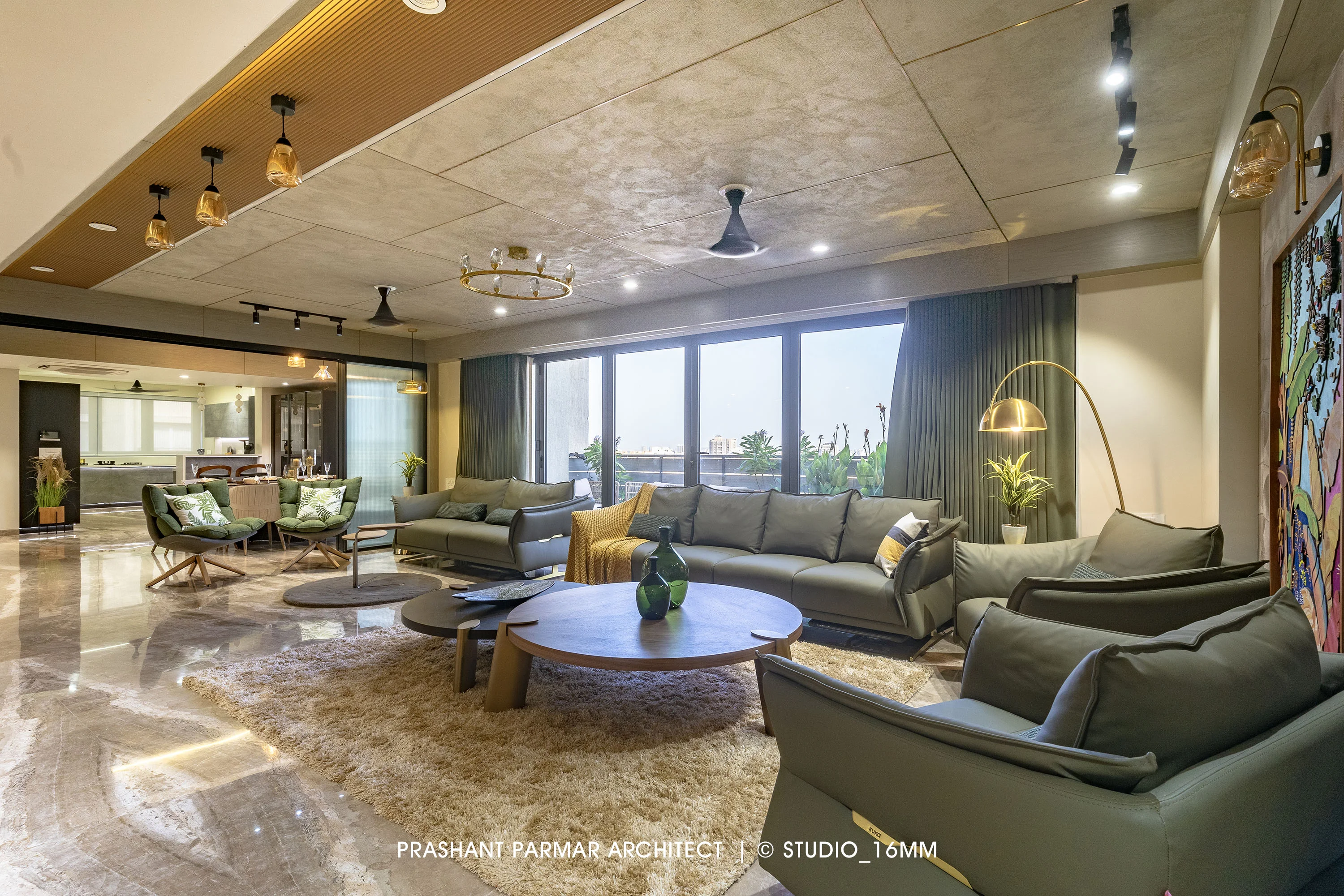
A sprawling sectional sofa in a modest living room doesn’t make the space feel luxurious; it makes it feel cluttered. Conversely, a small loveseat floating in a large open-plan room looks lost and disconnected.
Designers see this constantly: homeowners choose furniture based on how it looks in a showroom, not how it will relate to the dimensions of their actual space.
The fix: Measure everything before purchasing. Use painter’s tape on the floor to map out furniture footprints before committing.
As a general guideline, leave at least 18 inches of walkway around major furniture pieces to allow comfortable movement.
Embrace negative space. Empty floor area isn’t wasted space; it’s what gives a room its sense of breathing room and calm.
Interior Designers Warn Against Following Every Design Trend
Trends move fast. A maximalist gallery wall that dominated design feeds in 2021 can feel dated by 2024. Homeowners who redesign around fleeting trends often find themselves redecorating far sooner than expected, at considerable cost.
Interior design has its own version of fast fashion, and it carries the same financial and environmental downsides. Replacing perfectly functional furniture because it no longer feels current is a significant waste of money.
The fix: Build a foundation of timeless, classic pieces, neutral sofas, quality wood furniture, clean-lined cabinetry, and introduce trends through easily swappable accents like cushions, throws, artwork, and plants.
This approach keeps a home feeling current without requiring full redesigns every few years.
Most Common Color Coordination Mistakes in Interior Design
Color is one of the most powerful tools in design, and one of the easiest to misuse. The most frequent mistake isn’t choosing “wrong” colors; it’s ignoring undertones.
Every paint color, fabric, and material carries undertones, subtle hues that shift under different lighting conditions. A “white” wall with pink undertones can clash dramatically with a “white” trim that reads blue.
Homeowners rarely notice undertones in isolation; they only become apparent when materials are placed together.
The fix: Before committing to any paint color, test large swatches (at least A4 size) on the actual wall and observe them at different times of day under both natural and artificial light.
When coordinating materials, upholstery, rugs, and cabinetry, use a color wheel to identify complementary or analogous relationships.
If the undertones of two “neutral” materials clash, trust your eye over the label.
Inadequate Storage Ruins an Otherwise Beautiful Home Design
A home can have exceptional furniture, perfect lighting, and a cohesive color palette, and still feel chaotic if storage hasn’t been planned properly.
Visible clutter is the fastest way to undermine any design investment.
The mistake isn’t always a lack of storage space. Often, it’s storage that doesn’t suit the way people actually live.
Cabinets that are hard to access, shelves at inconvenient heights, or rooms that simply weren’t designed with storage in mind all contribute to the same outcome: stuff left out in the open.
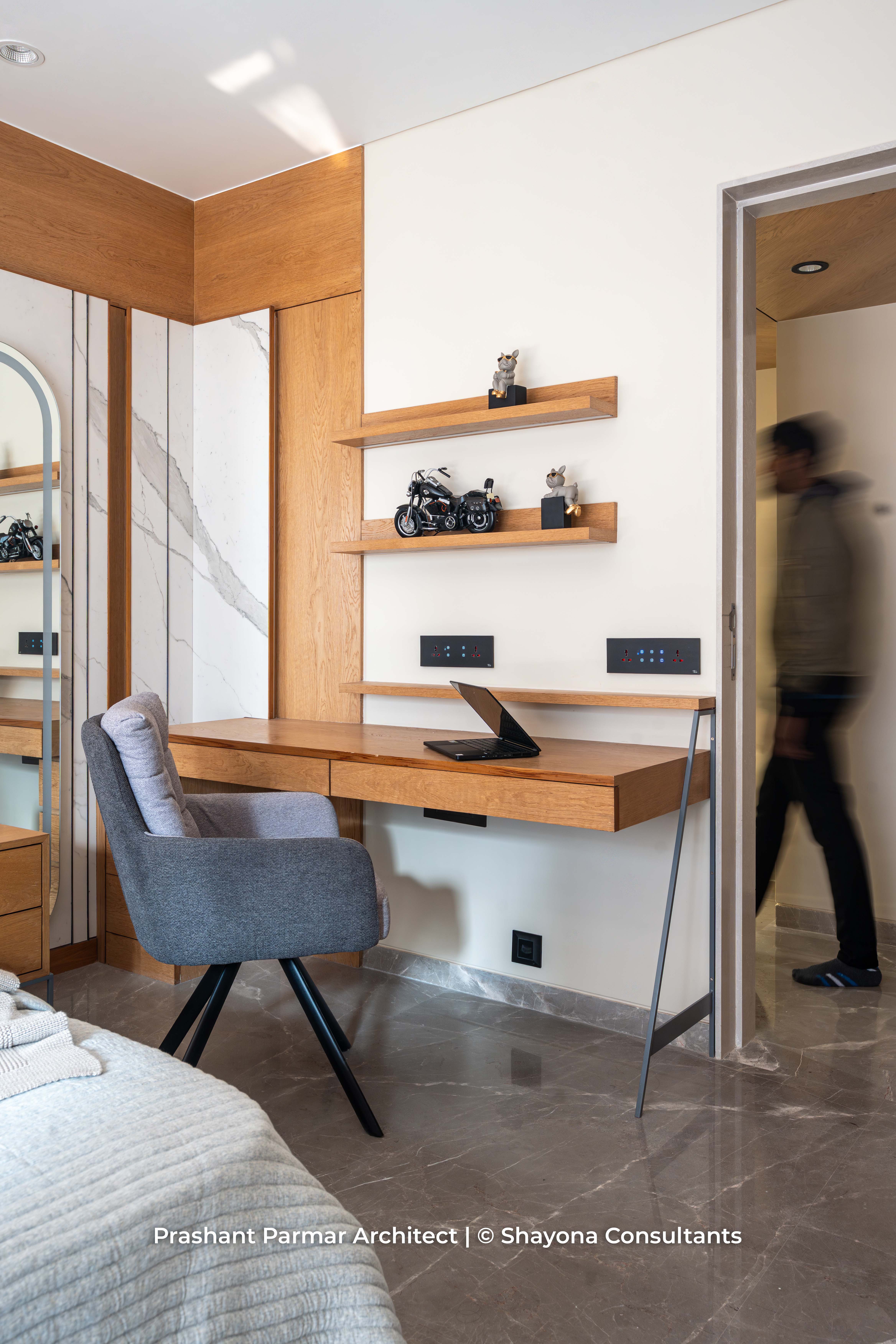
The fix: Prioritize built-in storage solutions wherever possible; they maximize space and maintain clean sightlines.
Multi-functional furniture, like ottomans with internal storage or beds with built-in drawers, adds capacity without adding visual bulk.
Before finalizing any room layout, ask: where will the everyday items actually go?
Poor Furniture Placement Disrupts Flow and Functionality
A room that photographs beautifully can still be a frustrating place to live in if the furniture placement doesn’t support natural movement. Interior designers refer to this as “traffic flow”, the way people move through a space in daily life.
Blocking doorways, positioning sofas with backs to entry points, or creating furniture arrangements that force awkward paths through a room are mistakes that affect livability every single day.
No amount of beautiful décor compensates for a space that’s physically inconvenient to use.
The fix: Before placing a single piece of furniture, sketch the room’s layout and mark entry points, windows, and built-in features.
Plan pathways first. As a rule, main traffic corridors should be at least 36 inches wide. Arrange furniture to facilitate conversation and movement, not just to fill space or face a TV.
Too Many Interior Design Styles Are Mixed Together
Eclectic design, when done well, is sophisticated and personal. When done poorly, it’s just confusing. The line between the two is intentionality.
Homeowners who accumulate furniture and décor across different phases of life often end up with a mix of styles that have no coherent relationship, mid-century modern chairs alongside rustic farmhouse tables and contemporary art pieces, all competing for visual attention. The result is a space that feels restless.
The fix: Choose a primary design style to anchor the space, then introduce secondary styles as deliberate accent choices. The primary style might be modern minimalist; the accents might be warm organic textures that soften the aesthetic.
The key is that every piece has a reason for being there. Cohesion comes from intention, not uniformity.
Good Design Is an Investment, Not an Expense
The seven mistakes covered here- poor lighting, wrong-scale furniture, trend-chasing, color missteps, inadequate storage, disrupted flow, and stylistic inconsistency- are the ones professional interior designers encounter most often.
They’re also the ones that cost homeowners the most money to fix after the fact.
The good news: every single one of them is avoidable with planning and professional guidance.
Good design doesn’t require an unlimited budget. It requires clear thinking about how a space will be used, what it needs to communicate, and how its elements work together.
If you’re planning a renovation or redesign, treat this list as a pre-flight checklist. Address each point before spending, not after.
Looking for expert design guidance in Ahmedabad? Shayona Consultant is a top interior designer in Ahmedabad, offering comprehensive residential and commercial design services tailored to your lifestyle, budget, and vision.
From space planning to final styling, the Shayona Consultant team brings precision, creativity, and years of local expertise to every project.
Contact Shayona Consultant today to transform your space into something that works as well as it looks.
Frequently Asked Questions About Home Design Mistakes
What is the most expensive home design mistake to fix after construction?
Poor lighting design is one of the costliest mistakes to correct post-construction, as rewiring and repositioning fixtures often requires opening walls. Planning a layered lighting scheme before construction begins is significantly cheaper than retrofitting.
How do interior designers choose furniture scale for a room?
Professional interior designers measure the room’s dimensions first, then calculate appropriate furniture sizes based on proportion guidelines, typically leaving at least 18 inches of clear walkway and ensuring no single piece dominates more than one-third of the floor area.
Is it a design mistake to mix different interior design styles?
Mixing styles is not inherently a mistake, but doing so without a clear primary style as an anchor usually creates visual confusion. Intentional eclecticism, where one style dominates and others complement it, is a widely used professional technique.
How do undertones affect paint color selection?
Every paint color has undertones, subtle secondary hues that become visible under specific lighting conditions. Ignoring undertones when selecting paint, trim, and materials causes clashing that’s difficult to identify but visually jarring. Always test large paint samples in the actual room before committing.
Can inadequate storage affect a home’s resale value?
Yes. Functional storage is a key factor buyers evaluate when assessing a home. Properties with insufficient or poorly designed storage consistently attract lower offers and spend longer on the market than comparable homes with well-integrated storage solutions.
Why do interior designers recommend avoiding fast design trends?
Trend-driven design choices, especially in foundational elements like flooring, cabinetry, and large furniture, often feel dated within a few years, requiring costly replacements. Designers recommend reserving trend-forward choices for low-cost, easily replaceable accents.
How do I find a top interior designer in Ahmedabad for my home project?
Look for designers with a strong local portfolio, clear communication about process and pricing, and experience in your specific project type (residential, commercial, etc.). Shayona Consultant is a leading interior designer in Ahmedabad with a proven track record across residential and commercial projects.